Archive for the ‘Waterproof Backpack’ tag
Gregory Makalu Pro 70 Waterproof Backpack 25 perc off
The outdoor shops are selling out again, it’s fall, almost winter and for those that keep on hiking in the wet and cold months of the year need a waterproof backpack. I did some research and found a great waterproof backpack with a discount of 25%.
The backpack i am talking about is the Gregory Makalu Pro 70 backpack for sale on Altrec.com.
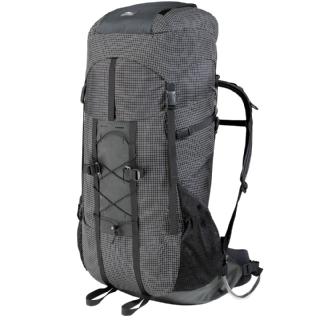
This 70 liter high performance waterproof backpack is the smallest and lightest pack made by Gregory for the professional series. This pack is extremely adjustable so you can wear it comfortably even with high loads. It has a top pocket with water resistant zipper, 2 ice axe loops and keeper straps and is made out of spectra and 210d fabrics. This waterproof backpack has a ton of features and is currently priced at 299,95 $224,19. You can find out more info and order it on Altrec.com.
(Disclosure note: If you choose to buy from Altrec.com through the links on this site, i will be compensated. However, this article is in no way written to make you buy stuff, this article is my honest opinion, intended to bring you value in your backpacking experience)
What’s a completely waterproof backpack?
I’m not talking about putting a plastic bag in a backpack. I’m talking about a backpack that you could throw some pieces of paper in, swim with for several hours (and then some), and open the pack later to find that the papers and the inside of the backpack are completely dry. Is there such a thing and where could I find it? (Price isn’t a concern).
Rainwalker Waterproof Internal Frame BackPack
This unique German made waterproof Class 3 roll-top backpack contains many features in common with a typical hiking backpack. This 28 liter day pack is built with an internal frame sheet supported by an aluminum stay, padded back, padded shoulder straps, sternum strap, and waist belt – which all work together to create a very comfortable backpacking experience.
Other features include side mesh pockets, an internal sleeve built for a hydration bladder (bladder not included), an 8in x 8in external pocket with a water resistant zipper and Velcro flap, and a removable PVC-FREE roll-top main compartment assured to keep all your valuables dry. Note: the internal sleeve for the hydration bladder is built into the packs back side, and not inside the waterproof main compartment, as to not interfere with the waterproof integrity of the main compartment
What is a typical day of backpacking like?
For my outdoor education class, I need to know basic facts about a day of backpacking. How far did you go in one day? How long did you sleep? When did you cook? That sort of thing. Thanks!
As others have mentioned how far you go in a day depends on the group, the terrain and the amount of gear you are carrying. In my experience, unless it is a very good trail over even ground, anything over 8 miles is a pretty good distance in day and anything over 15 is really pushing it. Heck, 20 miles in one day is a pretty hard day hike without a pack (basically a fast walking pace non-stop for 10 straight hours).
Typically, I aim for 6 to 12 miles a day depending on the area. Presumably you are hiking through a pretty and enjoyable place and will want to stop along the way to take pictures and enjoy it rather than troop through at full speed without stopping. Outdoor exercise experts also recommend that you stop at least once every 1-2 hours and elevate your feet for 10-15 minutes to improve circulation and clear out lactic acids that build up in the legs and feet.
A typical day goes as follows:
Get up around sunrise. Breakfast, bathroom activities and repacking at a relaxed pace usually takes about an hour and a half.
Hit the trail for about 3-4 hours, with maybe one 15 minute break along the way. Find a nice spot for lunch and just hang out and relax a bit for an hour or more. Hit the trail again for 3-4 hours, with at least one 15 minute break.
I try to reach camp a good two hours before sunset to allow plenty of time to check out the area and setup (plus it is nice to be done with everything and relax during sunset). Finding the nearest water source and filtering enough water (hand-pump filter) to last to the next camp is a high priority.
If fires are allowed at the camp, than gathering firewood is a top priority while there is day light, but I usually won’t start the fire until I need it for light or cooking. I like to do my cooking right after enjoying the sunset (or the days are long, cook right before sunset and find a good sunset spot to eat at). In the last few years, I have become a fan of the dehydrated meals (Mountain House, etc) which are light, calorie packed and not bad tasting. I don’t need to bring pots, separated ingredients, etc and can eat right out of the package. The new JetBoils are great for quickly boiling water with minimum weight and fuel.
I am normally a night owl, but after a day or two of backpacking I usually get into a natural rytheme with the daylight and find myself happily going to bed and waking up earlier than I would at home. Hitting the tent by 9PM and sleeping a good 8-9 hours is not uncommon.
The above is pretty typical, but no two days are exactly the same. Some days you don’t to camp until after dark and others you may only go an easy 4 or 5 miles between camps. For extended trips (over 4-5 days) I often like to find a nice spot to hold over 2 nights (a dead day) to really relax and explore a bit without having to constantly get up and go each morning.
Where you are going makes a big difference too. I do most of my backpacking in the southwest where water sources are few and far between and so you often have to carry more water (heavy!) on you than at other places. On the other hand, we have much fewer mosquitos, fleas, and ticks so I usually never have to bother with bug spray.
The Waterproof Backpack: why,when and how
 Outdoor backpacks come in various types and the one i will be talking about in this article is the Waterproof Backpack. This type of backpack is very popular among people that have to keep their stuff dry at all times, sometimes even under water. Activities that require a waterproof backpack can be: kayaking, fishing, diving/snorkeling and of course winter sports like skiing and snowboarding. Sometimes you also need one on your hiking trip if you are going to hike through an extreme wet environment or part of your trip includes river crossings or other extremely wet activities. Another reason to buy one is when you carry along sensitive electronic equipment like camera’s that must stay absolutely dry.
Ordinary hiking backpacks are most of the time water resistant, but not waterproof. The difference is that water resistant can have a bit of rain occasionally but not for too long, they will soak through. This is because the material is not waterproof and the seams and zippers are not waterproof. The seams are mostly stitched with a needle which leaves tiny little holes that leak water after some time. So your alright for a few hours depending on the rain, but your stuff will get wet if it is exposed to rain for a longer period of time.
The waterproof backpack is constructed in a way that it can hold out the water for a longer period of time or just doesn’t let water come through at all, depending on the price and type of backpack that you have. The seams of this type of backpack are welded,sealed or taped, this won’t let any water or moisture get in through the seams. A waterproof backpack also has special waterproof zippers that are also constructed in a way that they close the backpack waterproof tight. These backpacks are often made of a few sorts of materials: PVC, Nylon, Polyurethane or a combination of any one of them. A combination that is seen a lot is a nylon backpack with a Polyurethane or PVC coating. Because these backpacks often contain plastics,they are a lot stiffer than non waterproof backpacks.
Not every waterproof backpack is waterproof for exactly the same amount of time, there are differences. There are backpacks that are waterproof for only a short while when exposed to rain or water. Others can take rain but cannot be partly submerged into water and there are ones that even float in the water without leaking through. If you look at the more expensive ones, you will find that they are submersible into water and can even be used by divers diving to depths of 100ft. Unfortunately you will often see a backpack that states to be waterproof, but it doesn’t say for how long and under which conditions. So if you want to know exactly how waterproof the backpack is, contact the store and ask them, most of the time they can help you out.
If you already have a backpack and you would like to make it waterproof, then one of the things you can do is buy a rain cover that fits around the backpack. This will protect your backpack against the rain a lot longer, but isn’t as effective as a good waterproof backpack.
There are great waterproof backpacks for sale online even for a discount price, they are still a bit more expensive than the normal ones, but then your stuff will be dry and that is worth a lot!